Can this solidify oil-based or solvent-based enamel?
No. Superabsorbent polymer absorbs water, not solvents or oils. This application covers water-based latex and acrylic paints only.

Turn leftover and off-specification water-based paint from liquid in a tin into a solid that will not spill.
Water-based paints differ widely in solids, binder and additives, so a solidifier that works on one product can struggle with another. AuraChem tests your actual paints before recommending a grade. Solvent-based paint is outside the scope of this application.
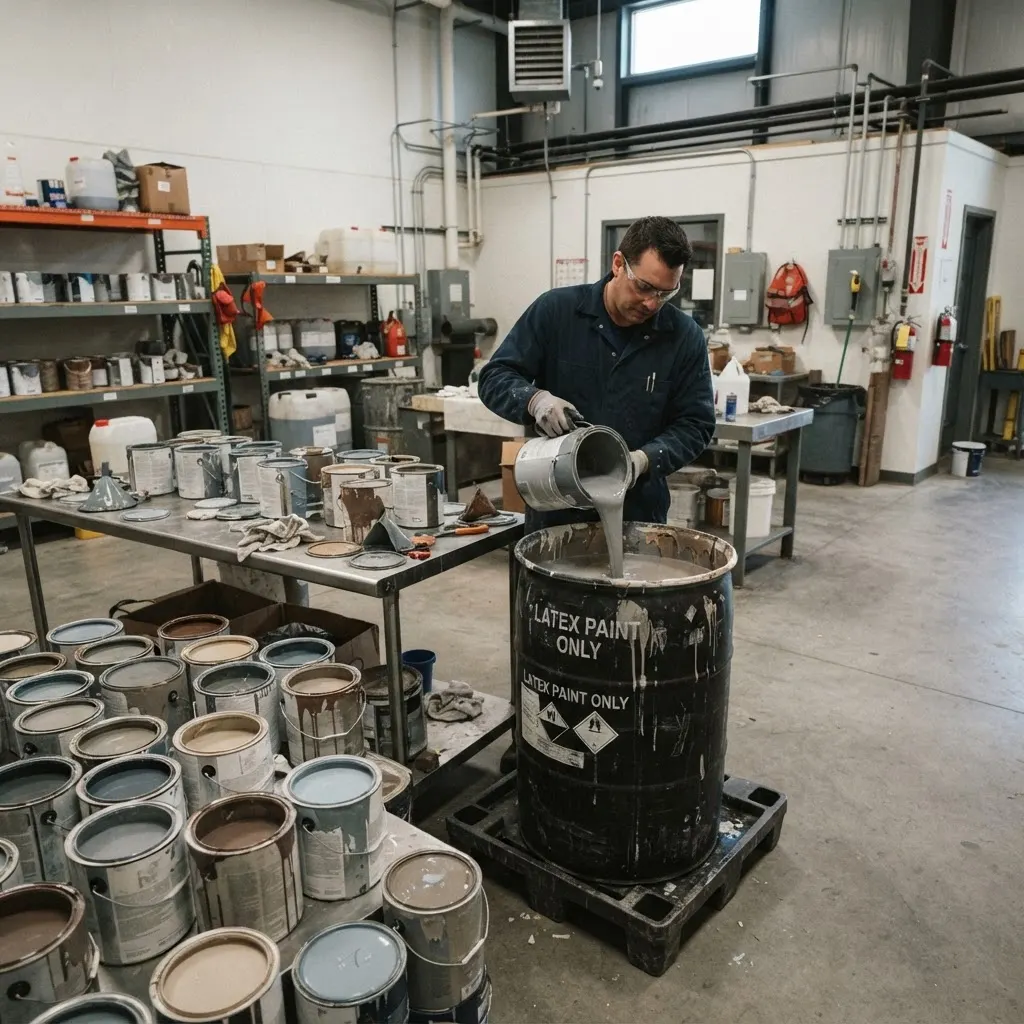
Leftover paint builds up at manufacturers and tinting operations (rejected batches, line flush and mis-tints), at painting contractors and property maintenance teams, and in council and household drop-off collections. Product stewardship schemes such as Paintback accept unwanted paint at collection points around Australia, but paint stored on site, rejected in production or handled by other routes still needs managing.
Liquid paint is awkward to store and move. Rusting or half-sealed tins leak, and a dropped drum spreads quickly. Solidifying compatible paint gives a more contained material for storage and handling while the right disposal or recovery route is arranged.
Water-based paint is an emulsion: polymer binder particles such as acrylic or vinyl acetate, pigments like titanium dioxide, fillers, and surfactants and thickeners, all dispersed in water. Low-sheen wall paints often carry a lot of filler and relatively little free water; glosses and primers can be thinner.
Surfactants and thickeners compete with an added absorbent for the water, and very viscous paint resists mixing, so dry granules can sit in pockets without spreading. These differences explain why dose and mixing method are worked out on real formulations instead of assumed.
The polymer takes up the water phase of the paint and swells, leaving binder and pigment held in a firm, crumbly or rubbery solid. Thorough mixing is essential: granules stirred into thick paint need to be fully dispersed before they swell, or wet pockets remain.
Solidification changes the physical form only. The binder, pigments and any biocides or additives are still present, so solidified paint is not automatically general waste.
These are potential operational benefits subject to material testing and field or production validation.
Leaking tins and drums can be stabilised for storage and transport
Rejected batches can be handled in solid form
A set procedure for recurring paint waste from production
Far less material added than sawdust, kitty litter or cement
Testing on each paint group shows how much polymer is needed to leave no free liquid, how long it takes, how the solidified paint looks and handles, and whether any formulation does not respond well. It is a physical-handling assessment and does not classify the waste or approve a disposal route.
No. Superabsorbent polymer absorbs water, not solvents or oils. This application covers water-based latex and acrylic paints only.
Solids, surfactants and thickeners vary between products. Flat wall paints and thin primers can need noticeably different doses.
Often, for partly full tins with room to stir. Full tins and drums are usually emptied into a larger container or mixer first.
Not automatically. The paint's ingredients are still there, so the waste contractor or receiving facility decides how it is accepted.
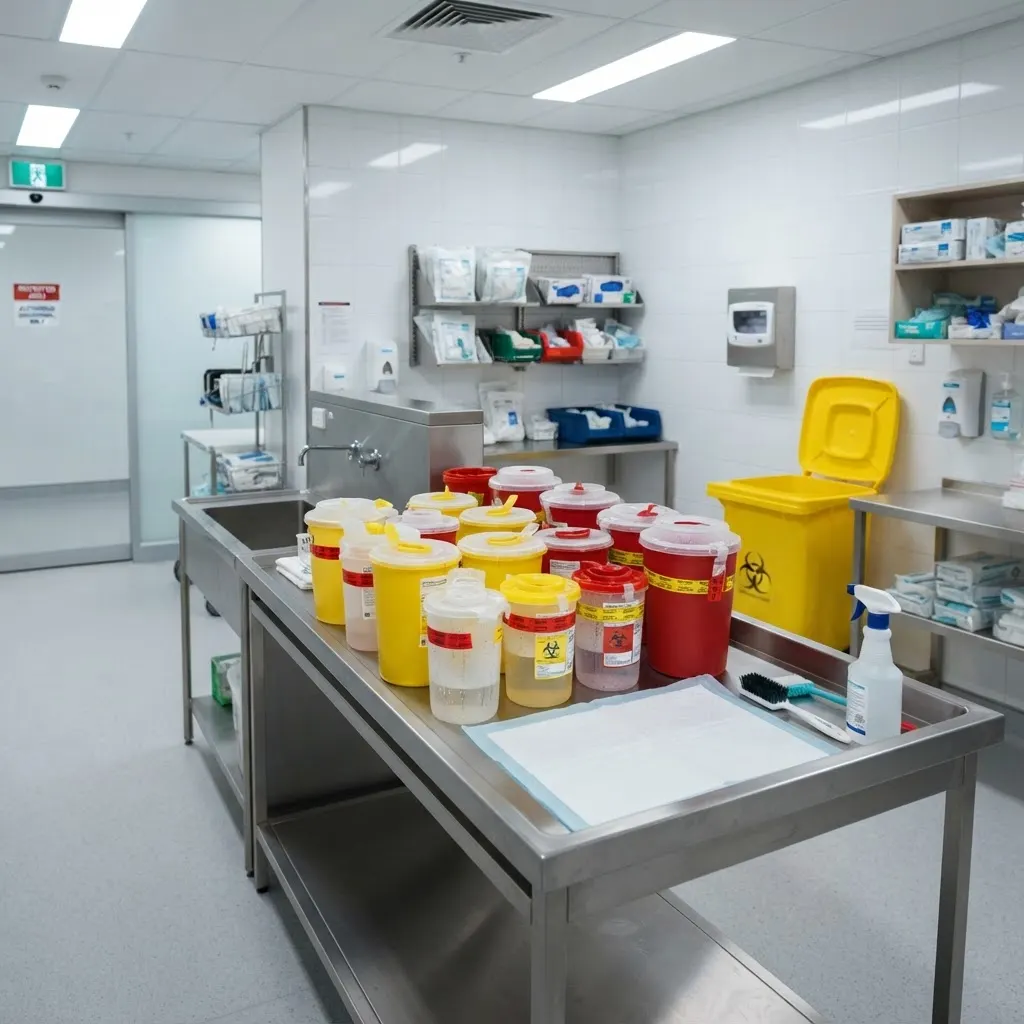
Another case of solidifying aqueous liquid inside its own container before collection.
Relevant Products
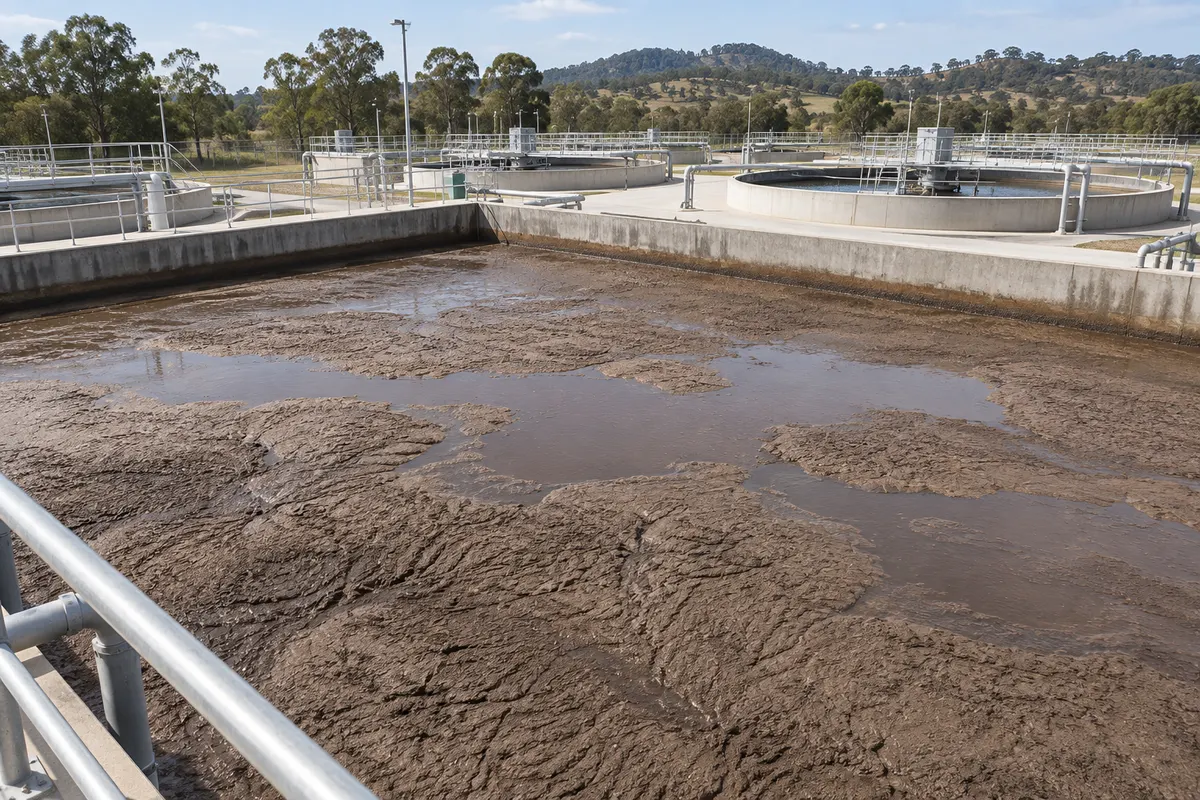
Paint manufacturing wash water and treatment sludge are often handled through the same waste routes.
Relevant Products
Send samples of the paints you deal with most and we will find a grade and dose for each group.